Licensed and Insured. Holding permits through the MN DNR
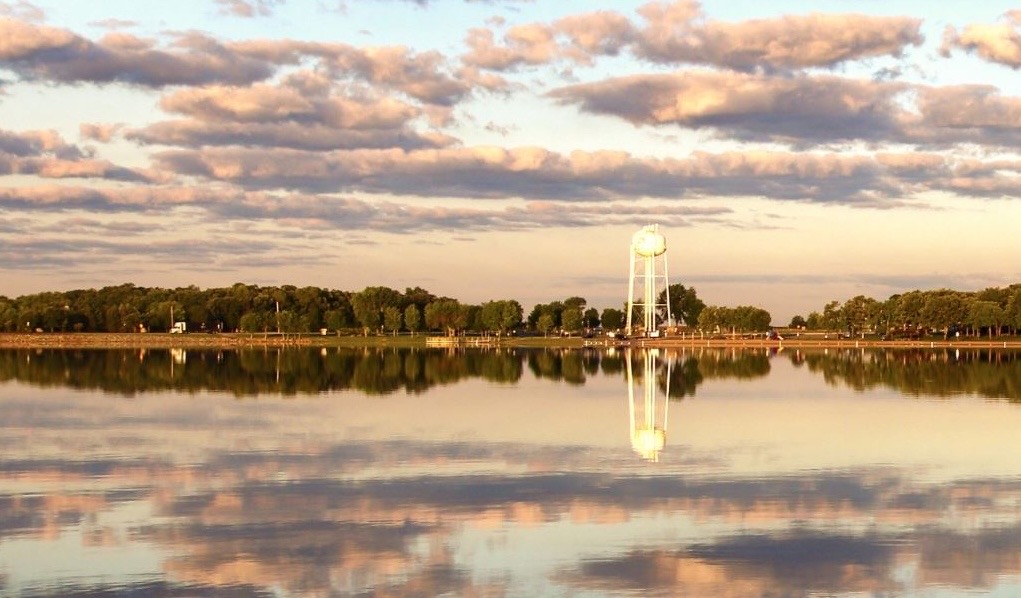
Plymouth, MN, is one of the largest western Twin Cities suburbs—around 80,000 residents, about 13 miles west of Minneapolis and 35 miles south of our Big Lake home base. Plymouth's famous for water: Medicine Lake, Bass Lake, Parkers Lake, Schmidt Lake, plus stretches of Three Rivers Park District land. With lakes nearly everywhere and substantial homes backed up to wooded preserves, Plymouth's pest profile is heavy on mosquitoes and wildlife. We get constant calls for bat exclusions in older homes, raccoon removal from sheds and chimneys, and lake-driven mosquito treatments all summer. MN Pest Elimination serves all of Plymouth—pest, wildlife, and exclusion work—with the same honest, no-fee approach we bring to every house we step into.
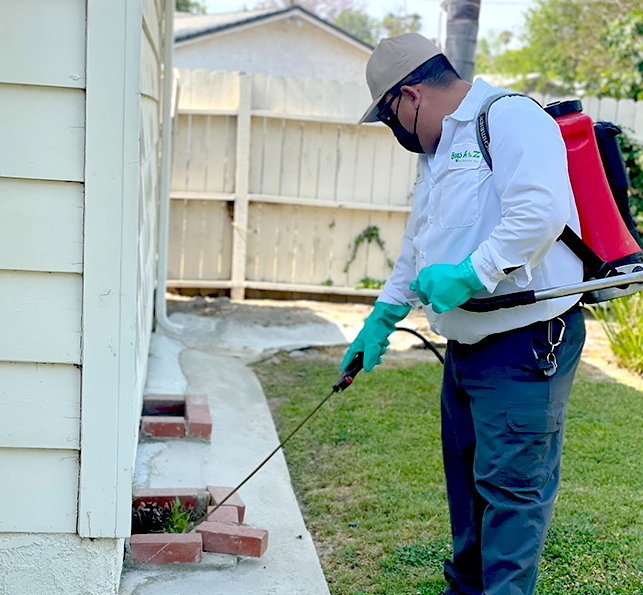


With so many lakes and preserved land, Plymouth gets hit harder than most suburbs by mosquitoes and wildlife. Here's what we're called for most:
Mosquitoes: They thrive anywhere there's standing water—lakes, ponds, wetland edges, even neglected birdbaths. From spring thaw through October they're our number-one call.
Carpenter Ants: Big black ants that hollow out wood for nesting. Older homes and decks are their favorite, and they multiply fast once established.
Pavement Ants: Small, persistent, and built for kitchen invasions. They're especially active in warmer months but show up indoors year-round.
Spiders: Wolf spiders, cellar spiders, and orb-weavers all set up shop in basements, garages, and porch corners. Web density usually spikes in late summer.
Mice: They squeeze through dime-sized gaps and head indoors as soon as nights cool off. Wires, insulation, and pantries all take damage.
Wasps & Yellowjackets: Eaves, decks, soffits, and tree cavities. Yellowjackets get aggressive late summer when colonies peak.
Bats: Common attic intruders, especially in older homes with weathered soffits or chimney gaps. Bats are protected, so we use exclusion work rather than extermination.
Raccoons: Trash, attics, garages, sheds. Smart, opportunistic, and surprisingly destructive once they find a way in.
Squirrels: Attics and soffits in the fall, gnawing wood and wiring once they're established.
Plymouth's lake-heavy footprint amplifies every pest season—summer mosquitoes are relentless and fall wildlife pressure stays strong well into winter. Here's the full year:
Spring: As the thaw arrives, mosquitoes start breeding in standing water, carpenter ants reactivate inside walls, and wasps begin nest construction. Mice that overwintered indoors get bold. This is when we lay down the season's first treatment plans.
Summer: Peak pressure. Mosquitoes go hard near every lake and yard. Wasp colonies grow aggressive by late summer. Carpenter ants tunnel deeper, and roaches and spiders thrive in warm humidity. Our schedule fills up fast.
Fall: Pests reposition. Mosquitoes fade, but mice, bats, raccoons, and squirrels look for warm shelter—and that means attics, soffits, sheds, and garages. Wildlife calls spike. Exclusion work is the priority right now.
Winter: Rodents rule. Mice and rats inside walls, bats hibernating in attics, and the occasional roach in heated indoor spaces. Outdoor pests sleep but indoor pressure picks up. Our work shifts to sealing entry points and trapping.