Licensed and Insured. Holding permits through the MN DNR
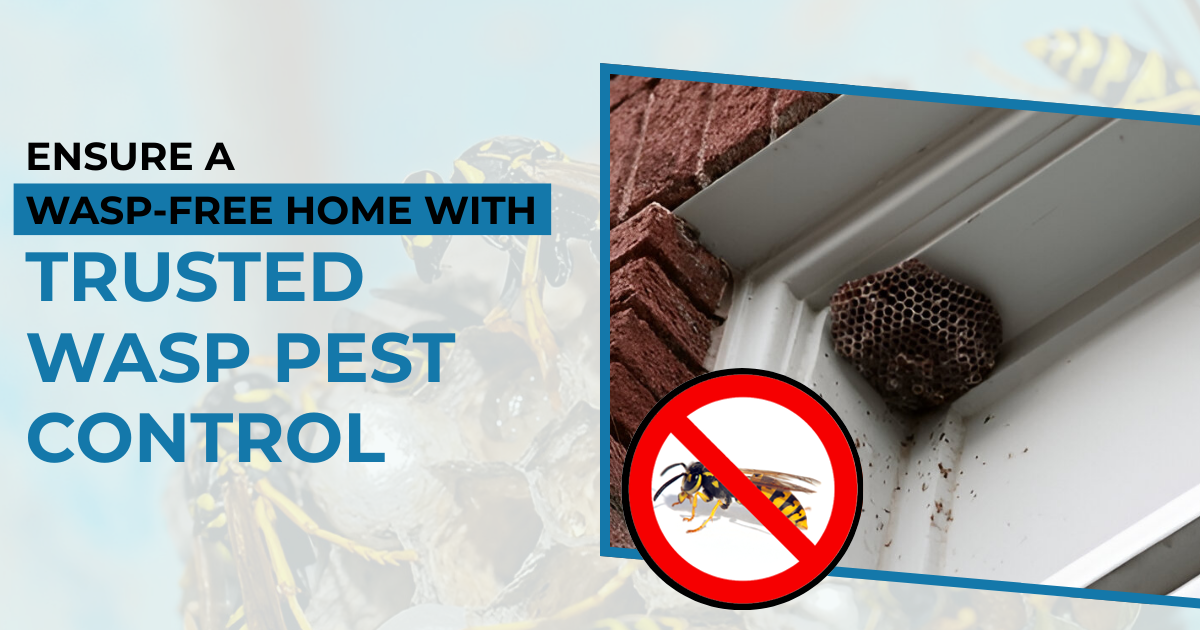
Wasps are more than a nuisance; they can create serious problems for families, pets, and property. Their stings are painful and sometimes dangerous, especially for people with allergies. Wasp nests grow quickly, spreading activity across your garden, yard, or home exterior. Ignoring a wasp problem can result in repeated stings, property damage, and heightened risk of allergic reactions. Professional wasp pest control ensures that nests are removed effectively and prevents wasps from returning, giving you a protected and more comfortable living environment.
Many homeowners attempt DIY methods, such as sprays or home remedies, but these rarely work for complete removal. Wasps are intelligent and highly protective of their colonies, meaning even small disturbances can provoke attacks. Professional wasp control near me focuses on eliminating the entire nest, including the queen, which stops the colony from rebuilding. Technicians also provide guidance on preventive measures to keep your home wasp-free for months after treatment.
Early detection of wasps is critical for effective control. Common indicators include frequent sightings of wasps near doorways, windows, or outdoor furniture. Large, papery nests hanging from eaves, trees, or garden structures indicate the presence of a mature colony. Buzzing sounds from attics or walls, along with increased wasp activity around your yard, are also signs that professional intervention may be necessary.
Wasps are territorial and can be aggressive when disturbed. Seeing them during the day often indicates a significant infestation. Nests may be hidden under decks, in attics, or in dense shrubs, making it difficult for untrained eyes to locate them. Professional wasp control technicians are trained to identify all possible nest locations, ensuring effective treatment and preventing further risks.
Professional wasp control begins with a detailed inspection of your property. Experts assess the nest location, size, and wasp species, as different species may require specific treatments. The treatment plan focuses on eliminating all members of the colony, including workers, drones, and the queen.
Technicians use specialized equipment and carefully chosen insecticides to remove nests without harming surrounding areas. After removing the nest, follow-up visits ensure that no wasps survive to rebuild the colony. Additionally, experts provide homeowners with guidance on preventive practices, such as sealing entry points, reducing outdoor food sources, and maintaining yard cleanliness. This combination of treatment and prevention ensures long-term protection and reduces the risk of reinfestation.
Hiring a professional wasp exterminator offers benefits that DIY methods cannot match. Professionals eliminate colonies, including the queen, which prevents the nest from regrowing. They also reduce the risk of painful stings and allergic reactions for residents.
Professionals have the training and tools to reach nests in hard-to-access areas, such as attics, eaves, and high trees, which are often impossible or dangerous for homeowners to handle. They also provide ongoing guidance to prevent future infestations. DIY solutions often leave parts of the nest intact, allowing the colony to rebuild, which leads to recurring problems. Professional treatment saves time, reduces risk, and provides lasting peace of mind for homeowners.
Effective outdoor wasp pest control focuses on eliminating existing nests and preventing future infestations. Removing food sources is critical because wasps are attracted to exposed garbage, pet food, and fallen fruit. Keeping yards clean and well-maintained makes them less appealing to these insects. Trimming overgrown shrubs and trees near your home eliminates potential nesting sites and reduces shelter for colonies.
Sealing gaps and cracks around windows, doors, and siding prevents wasps from entering your home. Professionals may also use monitoring techniques, including traps, to track activity and detect early nesting attempts. Combining these preventive measures with expert treatment helps maintain a pest-free outdoor environment and ensures the long-term effectiveness of wasp control strategies.
Although rare, wasps can enter homes through vents, windows, or small cracks. Indoor infestations must be addressed promptly to prevent stings and allergic reactions. Professional technicians inspect attics, crawl spaces, and wall voids for hidden nests. They apply targeted treatments to remove indoor wasps responsibly and prevent future access.
Homeowners can support indoor control by storing food securely, disposing of waste promptly, and reducing sugary or protein-rich leftovers. Keeping interior spaces clean and clutter-free discourages wasps from entering and nesting. Professional treatment combined with proactive household practices ensures that your home remains wasp-free.
Wasps are most active during warmer months, typically from spring through late summer. Colonies start small in spring and grow throughout summer, reaching peak populations in late summer and early fall. Understanding these seasonal patterns allows homeowners to anticipate potential infestations and seek treatment before colonies become aggressive.
Professional wasp pest control services often provide pre-season inspections to prevent colonies from becoming established. Timely interventions reduce risks to residents and property while ensuring a controlled and manageable pest situation. Homeowners benefit from scheduling inspections and treatments during the early stages of colony development to maximize effectiveness.
Large or aggressive nests located near high-traffic areas pose immediate threats. Professional wasp removal services involve assessing the nest location, determining accessibility, and using specialized equipment and treatments. Experts remove nests carefully to prevent wasps from scattering and returning.
Attempting to remove a large nest without proper training can result in multiple stings and serious injury. Professionals handle these emergencies efficiently, protecting residents and property from danger. Follow-up inspections ensure no remnants of the colony survive, providing complete long-term protection.
Gardens, fruit trees, and outdoor dining areas attract wasps. Professional treatment strategies include monitoring shaded areas, applying targeted insecticides when necessary, and offering advice on planting wasp-repellent flowers. Maintaining outdoor spaces by removing fallen fruit, keeping trash contained, and trimming overgrown vegetation minimizes nesting opportunities.
Combining professional control with these preventive measures ensures a protected and comfortable outdoor environment. Families can enjoy their yards and gardens without fear of aggressive wasps disrupting activities or causing stings.
Ongoing protection plans provide long-term peace of mind. Regular inspections, preventive treatments, and rapid responses to new nests ensure that your home remains free from wasps year-round. Plans often include quarterly inspections, immediate nest removal, and guidance for homeowners on maintaining a pest-free property.
Investing in a residential plan saves time, reduces stress, and prevents repeated infestations. Homeowners who combine professional services with good maintenance practices enjoy a consistently comfortable and secure environment.
The cost of professional wasp pest control depends on nest size, location, and infestation severity. Small, accessible nests are generally less expensive, while large or hard-to-reach nests require more resources and labor. Many companies, including MN Pest Elimination, offer free inspections and estimates.
Although DIY solutions may appear more affordable, they rarely remove the entire colony. Investing in professional treatment provides long-term protection, reduces risks, and avoids repeated expenditures for ineffective methods.
Even after a professional nest removal, homeowners must take active steps to prevent wasps from returning. Sealing cracks, gaps, and openings around windows, doors, and rooflines limits entry points for wasps. Maintaining a clean home and yard is equally important; leftover food, open trash cans, or spilled pet food can attract foraging wasps. Outdoor areas should be kept tidy, and overgrown vegetation should be trimmed to reduce potential nesting sites.
Flowering plants that attract wasps can be placed strategically away from high-traffic areas. Regular inspections, either by homeowners or pest control professionals, ensure that any signs of new nests are detected early and addressed promptly, keeping the home and yard protected year-round.
Integrated wasp management combines inspection, treatment, and ongoing preventive strategies to provide comprehensive protection. Professionals first assess risk areas where wasps are likely to nest, including eaves, attics, sheds, and garden structures. They monitor activity over time, using traps or visual checks to track wasp populations and identify early signs of nest formation.
Treatments are applied strategically to target nests while minimizing disruption to the surrounding environment. Staff are trained to identify warning signs such as increased wasp activity or buzzing sounds in hidden areas, while management implements structural improvements, such as sealing access points and enhancing sanitation practices. This systematic approach ensures that colonies do not return and helps maintain a comfortable, secure, and pest-free home environment.
MN Pest Elimination offers expert wasp control services designed for effective, long-term results. Their trained technicians conduct thorough inspections, locate and properly remove nests, and provide follow-up visits to confirm that the infestation is fully resolved.
Homeowners benefit from rapid response times, flexible scheduling, and clear guidance on preventive measures that keep their property protected. Choosing MN Pest Elimination means relying on a trusted team that prioritizes the complete elimination of wasps and implements measures to prevent future infestations. Families can enjoy their homes and outdoor spaces without fear of aggressive wasps, ensuring both comfort and protection for all residents.
Maintaining a wasp-free home goes beyond simply removing visible nests. Professional wasp pest control ensures that entire colonies, including hidden nests and queens, are eliminated while guiding to prevent future infestations. Combining expert treatments with preventive practices like sealing entry points, trimming vegetation, and keeping your property clean creates a long-lasting, comfortable, and secure home environment. With ongoing monitoring and professional support, you can enjoy your indoor and outdoor spaces without the worry of aggressive wasps returning.
Protect your home from wasps today with MN Pest Elimination. Schedule a free inspection and secure lasting protection for your home.
1. What is wasp pest control?
It involves professional inspection, treatment, and preventive measures to eliminate wasps and prevent new colonies from forming.
2. How do wasp removal services work?
Technicians locate nests, properly remove the entire colony, and provide guidance on preventing future infestations.
3. Can I remove a wasp nest myself?
DIY nest removal is risky and often ineffective. Professional wasp control near me ensures complete removal and minimizes sting hazards.
4. How long does wasp control take to be effective?
Effectiveness varies depending on nest size and location. Most professional treatments eliminate nests immediately, with follow-up inspections ensuring lasting protection.
5. Are preventive measures really necessary after nest removal?
Yes. Preventive steps, such as sealing entry points, trimming vegetation, and maintaining cleanliness, help stop new nests from forming and keep your home secure.